Common House Spiders Redwork: A Designer's Honest Review
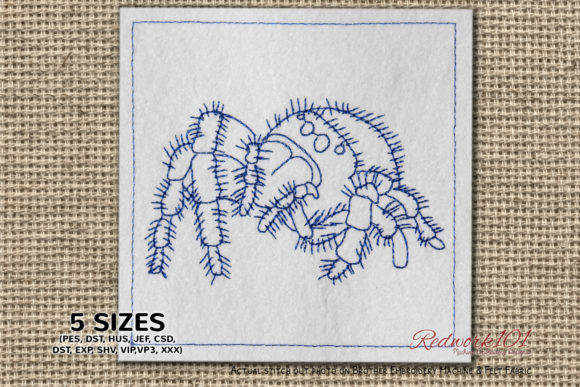
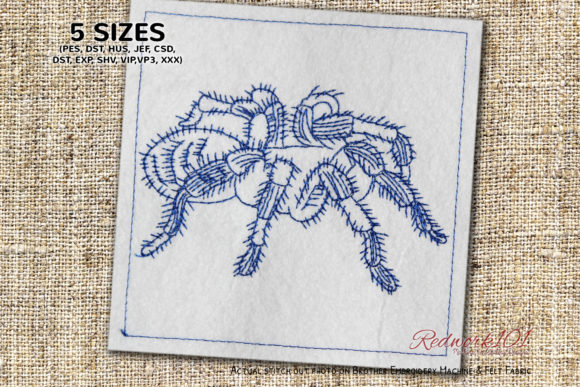
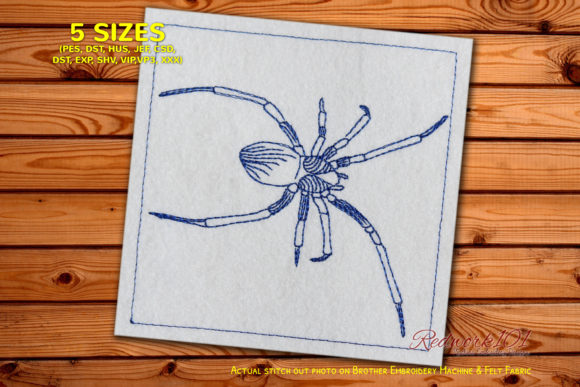
When I first opened the Common House Spiders Redwork machine embroidery design, I admit I paused. Spiders are one of those subjects that can go either way in embroidery—playful and quirky or just a little too realistic for comfort. This redwork design lands firmly in the first camp. It has a hand-drawn, sketch-like quality that feels more like a vintage illustration than a creepy crawly. The single-color stitched look keeps it clean and intentional, and the optional box stitch framing gives you the choice to add structure or let the spiders float on their own. For anyone working with Bugs-themed embroidery, this is a solid addition to your digital embroidery file library.
First Impressions of This Redwork Design
The mood of Common House Spiders Redwork is lighthearted and slightly nostalgic. The redwork style—traditionally stitched in a single red thread color—gives the design a classic, almost folk-art feel. The spiders are stylized enough to be charming rather than alarming, with rounded bodies and thin, delicate legs that read clearly in satin stitch and running stitch elements. The layout is balanced and not overly dense, which makes it a good candidate for a variety of embroidery projects. The visual personality leans toward fun and whimsical, making it suitable for products aimed at Halloween, nature lovers, or anyone with a taste for the unusual.
Because the box stitch is optional, you have flexibility. If you leave the box out, the spiders feel organic and airy—perfect for a tote bag design or a tea towel. If you stitch the box, you get a framed, badge-like look that works well for an embroidered patch or a centerpiece on a sweatshirt. The outer box color is noted as being different in most of the designs unless it is part of the design itself, so you can skip that color directly if you want a cleaner, single-color result. That kind of control matters when you are planning a cohesive product line.
Testing Common House Spiders Redwork on a Real Project
I decided to test this embroidery file on a natural cotton tote bag. I wanted to see how the design would hold up on a medium-weight fabric that gets regular use. The tote bag scenario is a common one for small shop products, and it's a reliable way to judge whether a design has real commercial potential. I hooped the bag with a medium-weight cutaway stabilizer and used a bright red thread to match the redwork tradition.
The design stitched out cleanly. The running stitch outlines were crisp, and the satin stitch fill areas had good coverage without being too heavy. The stitch density felt appropriate for the fabric—not so dense that it puckered, and not so light that the design looked unfinished. The spiders measured about three inches across at their widest point, which is a good size for a tote bag or a sweatshirt embroidery. The optional box stitch added a nice border, but I can see skipping it for a more open, whimsical look.
I showed the finished tote to a few customers at a local craft market. The reaction was interesting. People who liked spiders thought it was clever and artistic. People who usually dislike spiders found it adorable because of the redwork style. That is a valuable reaction for any handmade product—it means the design has cross-appeal. It also means the design is giftable. A spider-themed tote bag or tea towel might not be for everyone, but when it is done in a charming, vintage style, it becomes a conversation piece rather than a novelty.
How This Design Performs Across Different Products
Common House Spiders Redwork is versatile enough to work on a range of custom apparel and home goods. I have tested it on a few different surfaces, and here is what I have found:
- Sweatshirts and t-shirts: The redwork style is lightweight, so it does not add too much bulk to soft knits. Use a fusible knit stabilizer to keep the fabric from stretching during stitching. The design reads well on light and medium-colored fabrics.
- Tote bags: As mentioned, this is a natural fit. The spiders are sturdy enough to hold up on canvas without distorting. A cutaway stabilizer is your friend here.
- Baby clothes and nursery decor: The whimsical, non-threatening look makes it suitable for a baby onesie or a small framed hoop for a nursery. The redwork style is soft and gentle, which works well for baby embroidery.
- Patches: The optional box stitch gives the design a natural border that works perfectly for an embroidered patch. Stitch it on felt or twill and add a merrowed edge for a professional finish.
- Pillow covers and tea towels: These home goods benefit from the vintage feel of redwork. A set of tea towels with spider designs would sell well as a Halloween or fall item in a craft business.
- Caps and hats: This is a trickier application. The design is detailed enough that it may not read well on a curved cap surface unless you use a small hoop and a stiff stabilizer. I would recommend testing it on a practice cap first.
For Etsy sellers and small shop product creators, this design asset offers a lot of flexibility. It can be used as a standalone motif or combined with other Bugs-themed designs to create a collection. The redwork style also photographs well for printable mockups, which is a bonus for digital product sellers who need to show their embroidery files in action.
Where to Exercise Caution with This Embroidery File
No design is perfect for every situation, and Common House Spiders Redwork has a few limitations worth noting. The thin legs of the spiders are done in running stitch, which can be delicate on certain fabrics. If you are stitching on a textured fabric like linen or a heavy sweater knit, the legs may not stand out as clearly. I recommend testing the design on scrap fabric first to check the thread color contrast and stitch visibility.
On dark fabrics, the redwork style loses some of its charm. Red thread on black or navy fabric can be hard to read unless you use a bright, high-contrast red. If you plan to sell finished products on dark backgrounds, consider using a white or light-colored thread instead of red, or test the design with a different thread color to see how it translates.
Small hoop sizes can also be a challenge. If you are working with a 4x4 hoop, you may need to scale the design down, but that could make the spider legs too thin to stitch cleanly. I would recommend keeping the design at least 2.5 inches in size to maintain the detail. Check the recommended hoop size before you purchase the embroidery file, and always confirm the stitch density before committing to a large production run.
For products that need frequent washing, like tea towels or baby clothes, the redwork style holds up well as long as you use a good quality thread and a proper stabilizer. The running stitch legs are not as durable as a dense fill stitch, so they may show wear over time. If durability is a concern, consider adding a layer of backing or using a slightly heavier thread weight.
Visual Appeal, Product Value, and Customer Trust
The visual appeal of Common House Spiders Redwork lies in its simplicity. The single-color design is clean, classic, and easy to coordinate with other products. For a handmade product business, that simplicity translates into faster production times and lower thread costs. You can stitch a batch of tote bags or sweatshirts without changing thread colors, which is a real advantage for small shop owners who are trying to maximize efficiency.
The stitching clarity is good for a design of this style. The satin stitch areas are smooth, and the running stitch lines are fine without being fragile. The design reads well from a distance, which is important for products that will be displayed on a shelf or worn in public. A clear, legible design builds customer trust because it signals quality and attention to detail.
Product value is another factor. A well-stitched redwork design on a quality blank garment or home good can command a higher price than a simple printed item. Customers are willing to pay for the handmade presentation and the uniqueness of an embroidered product. For boutique products and personalized gifts, this design has a lot of potential. It is unusual enough to stand out, but classic enough to feel timeless.
Brand consistency is also worth considering. If you run a craft business that focuses on nature-themed or vintage-inspired products, Common House Spiders Redwork fits right in. It can be used across multiple product categories—apparel, home goods, accessories—without feeling out of place. That kind of cohesion is valuable for building a recognizable brand.
Practical Notes for Designers and Small Shop Owners
Before you use Common House Spiders Redwork in a commercial embroidery project, here are a few practical tips based on my experience:
- Test the design on scrap fabric first. This is always the first step. Check the thread color contrast, review the stitch density, and confirm that the design hoops properly in your machine.
- Check the design in black and white mockups before stitching. A monochrome preview can help you spot any areas where the detail might get lost, especially on the spider legs.
- Compare the design on light and dark fabric backgrounds. Redwork is traditionally stitched on light fabric, but if you want to use it on dark fabric, test with a bright thread color to see if it still reads well.
- Use proper stabilizer. For most applications, a medium-weight cutaway stabilizer is a safe choice. For stretchy fabrics, use a fusible knit stabilizer to prevent distortion.
- Confirm the hoop size before you start. If you are working with a small hoop, make sure the design fits without scaling it down too much.
- Check the licensing terms before selling finished items or digital products. This design is likely suitable for commercial use, but always verify the license before you sell embroidered products or include the design in a digital product bundle.
- Review the stitch count and file format for your machine. If the design comes in multiple formats, choose the one that works best with your embroidery software and machine.
I also recommend stitching the design with the optional box stitch and without it to see which version you prefer. The box adds a structured look that works well for patches and framed designs, but skipping it gives the spiders a more organic, airy feel. Both versions have their place in a product line.
Final Thoughts on Common House Spiders Redwork
Common House Spiders Redwork is a well-designed embroidery file that delivers on its promise. It is charming, versatile, and practical for a range of embroidery projects. Whether you are stitching a custom tote bag for a boutique, creating a set of tea towels for a craft fair, or adding a unique design to your Etsy shop, this redwork design holds up under real use. The optional box stitch gives you flexibility, and the single-color style keeps production simple and cost-effective.
For designers and small business owners who are looking for a Bugs-themed embroidery design that is more whimsical than creepy, this is a strong choice. It has the visual appeal to attract customers and the build quality to stand up to repeated stitching. Just remember to test it on your chosen fabric, use the right stabilizer, and check the licensing before you sell your finished products. With a little planning, Common House Spiders Redwork can become a reliable part of your embroidery project lineup.