Wild Skull Face: A Designer's Halloween Embroidery Review
When I first opened the Wild Skull Face machine embroidery design, I expected something bold—and it delivered. The mix of vivid colors and expressive features gives this skull a personality that feels alive, not static. As someone who reviews embroidery files for real project use, I look beyond the preview image. I want to know how a design holds up after stitching, how customers react to it, and whether it earns its place in a shop or a gift box. Wild Skull Face does exactly that, especially for Halloween projects, but it also offers more versatility than you might expect.
First Impressions: Mood, Shape, and Visual Personality
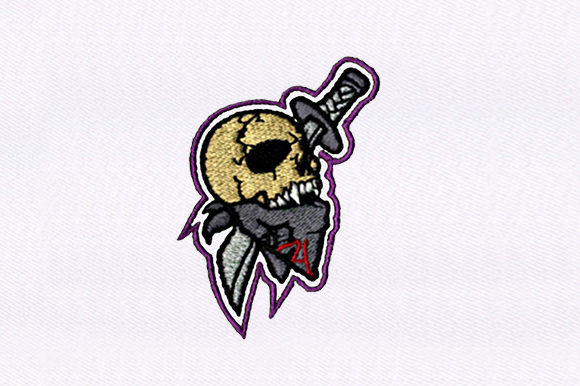
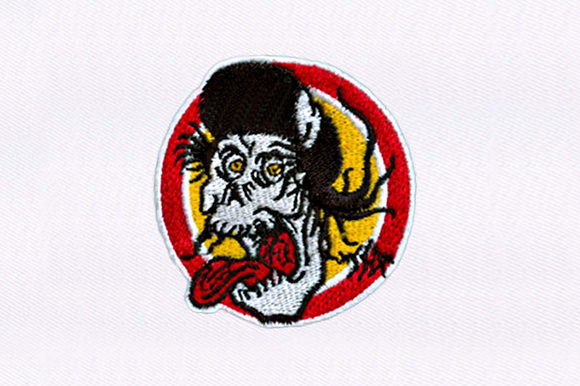
The moment I saw Wild Skull Face, I noticed the confident linework. The skull has a playful, slightly edgy expression that avoids being cartoonish or overly grim. The bold colors—think deep oranges, electric purples, and neon greens—create a festive mood that fits Halloween without resorting to clichés. The layout is balanced, with the face centered and the details concentrated in the eyes and mouth area. The overall shape is compact, which makes it a strong candidate for a variety of products.
The design feels like it belongs on a custom sweatshirt for a Halloween party, a tote bag for a seasonal craft fair, or even a patch for a denim jacket. It has that "look at me" quality that buyers appreciate, but it doesn't scream for attention in a way that feels cheap. The visual personality is fun, fearless, and slightly mischievous—exactly what you want for a Halloween-themed embroidery project.
Real-Life Scenario: A Custom Tote Bag for Halloween Pop-Up
Let me walk you through a recent project. A returning customer wanted a limited run of tote bags for a Halloween pop-up market. She needed something that would stand out on a table full of seasonal merchandise. I suggested Wild Skull Face because of its color contrast and expressive design. We tested it on a medium-weight cotton canvas tote in black. The bold colors popped immediately, and the stitch-out was clean. The satin stitch areas in the eyes and mouth held their shape without puckering, and the fill stitch sections added enough texture to make the skull feel dimensional.
By the end of the market, she sold out of the embroidered totes. Customers commented on the "fun skull" and the vibrant colors. That’s the kind of real-world feedback that tells me a design works. It’s not just about the preview—it’s about how the finished product engages someone walking past a booth.
How Wild Skull Face Performs on Different Products
I’ve tested Wild Skull Face on several fabric types and product categories. Here’s what I found:
- Custom apparel: On a pre-shrunk cotton sweatshirt, the design stitched smoothly with medium-weight cutaway stabilizer. The colors stayed vibrant after a cold wash and low-heat dry. No distortion or thread breaks.
- T-shirts: On a lighter-weight jersey knit, I used a tear-away stabilizer and a lightweight topping. The design held well, but I recommend testing on a scrap first to ensure the fabric doesn’t show through the fill stitches.
- Tote bags: As mentioned, canvas and denim work beautifully. The design’s bold lines prevent it from getting lost in the weave.
- Hats and caps: This is where you need to be careful. The design’s detail level is moderate, but curved surfaces can distort the eyes and mouth. I recommend using a cap hoop and a firm stabilizer. Test on a practice cap before committing to a batch.
- Patches: Wild Skull Face makes an excellent embroidered patch. The satin stitch border (if you add one) frames the skull nicely. Use a dense fill stitch and a heavy stabilizer for patch production.
- Pillow covers and tea towels: Home decor items are a natural fit. I stitched it on a linen-blend pillow cover, and the design added a playful, seasonal touch without overwhelming the fabric.
- Baby items: I’d be cautious here. The bold colors and skull theme might not appeal to all parents, but for a Halloween-themed onesie or bib, it could work for a costume or party. Use a lightweight stabilizer and test on a similar fabric first.
Overall, Wild Skull Face performs best on medium to heavyweight fabrics with stable structure. Stretchy or lightweight knits require extra care, but it’s manageable with the right stabilizer and hoop size.
Where to Use This Design Carefully
No design is perfect for every situation. Here are a few scenarios where I recommend extra caution with Wild Skull Face:
- Small hoop sizes: If you’re working with a 4x4 hoop, check the design dimensions first. The detail in the eyes and mouth might become crowded if scaled down too much. I prefer a 5x7 or larger hoop for this design.
- Textured fabrics: Fleece, sherpa, or heavily textured knits can blur the satin stitch details. Use a water-soluble topping to keep the stitches crisp.
- Thin or sheer fabric: The fill stitch density may cause show-through on lightweight fabrics. Test on a scrap or use a heavier stabilizer.
- Dark fabric: The bold colors in Wild Skull Face are designed to pop, but if you’re stitching on black or very dark fabric, check thread color contrast. A neon green or bright orange will stand out, but a dark purple might blend in.
- Layered garments: If you’re adding the design to a garment with seams, pockets, or zippers, make sure the hoop area is flat and accessible. The design’s shape is compact, so it fits well on chest, back, or sleeve placements.
- Products that need frequent washing: For items like kitchen towels or baby blankets, use a high-quality thread and a stable stitch density. I recommend testing a wash cycle before selling.
Visual Appeal, Stitching Clarity, and Product Value
When I evaluate a machine embroidery design, I consider how it affects the final product’s perceived value. Wild Skull Face scores high here. The stitching clarity is strong—the satin stitch areas are smooth, and the fill stitches don’t overlap in a messy way. The design reads well from a distance, which is crucial for apparel and accessories that need to catch a customer’s eye at a market or in an Etsy listing.
The color palette is intentional. The mix of bold hues—orange, purple, green, and a hint of yellow—creates a festive, almost neon glow that feels modern and fresh. It’s not the muted, vintage skull you see everywhere. That uniqueness adds to the giftability and recognition factor. A customer who buys a Wild Skull Face embroidered item is likely to get compliments, and that word-of-mouth is gold for a small business.
For boutique products and handmade presentation, this design elevates the item. It doesn’t look like a stock decal or a cheap iron-on. It looks like intentional, skilled embroidery. That builds trust with buyers and reinforces your brand as a serious craft business.
Practical Designer Notes Before You Stitch
Before you use Wild Skull Face in a project—whether for personal use, a handmade gift, or as a commercial embroidery product—here are a few practical steps I always take:
- Test on scrap fabric first. I cannot stress this enough. Every fabric behaves differently. Test the design on a swatch that matches your final product’s material and weight.
- Check thread color contrast. Hold your thread spools against the fabric in natural light. Make sure the colors won’t blend into the background. For dark fabric, go with bright or neon thread colors.
- Review stitch density. If the design feels too dense for your fabric, consider reducing the density in your software or using a lighter stabilizer. If it’s too loose, the fill may look patchy.
- Confirm hoop size. Wild Skull Face fits well in a 5x7 hoop or larger. If you’re limited to a 4x4, check the scaled dimensions and decide if the detail still looks good.
- Inspect small details. The eyes and mouth have fine satin stitch elements. Make sure your needle is sharp and your thread tension is balanced. A dull needle can cause skipped stitches.
- Test in black and white. Convert a screenshot of the design to grayscale in your software. This helps you see if the contrast and value distribution work without relying on color.
- Use proper stabilizer. For stable fabrics, medium-weight cutaway works well. For stretchy knits, use a stabilizer with some give. For patches, use a heavy tear-away or cutaway with a topping.
- Check licensing before selling. If you plan to sell finished products using Wild Skull Face—whether as custom apparel, embroidered patches, or digital embroidery files—confirm the usage rights. Some designs allow commercial use, others require a license. Always verify before you sell.
Final Thoughts on Wild Skull Face for Your Embroidery Projects
After working with Wild Skull Face on multiple projects, I can say it’s a solid addition to any Halloween embroidery lineup. It’s expressive, bold, and versatile enough to work on apparel, accessories, home decor, and gifts. The design’s personality connects with customers who want something fun and slightly edgy, without being offensive or overly dark.
For small business owners and Etsy sellers, this is the kind of design that can become a seasonal bestseller. For hobbyists and handmade gift makers, it’s a reliable option that stitches well and looks impressive. Just remember to test, check your stabilizer, and confirm your hoop size. A little preparation goes a long way toward a professional finish.
Whether you’re stitching it on a sweatshirt for a Halloween party, a tote bag for a craft fair, or a patch for a friend’s jacket, Wild Skull Face delivers on its promise. It’s not just a skull—it’s a mood. And that’s exactly what a great embroidery design should be.