Brown Boar: A Seasonal Embroidery Designer's Review
When I first opened the Brown Boar machine embroidery design file, I was struck by its strong, grounded presence. This is not a delicate, fussy motif. It carries a rustic, almost folk-art weight that immediately felt like a natural fit for autumn and winter seasonal collections. As someone who has built multiple holiday product lines for Etsy shops and small apparel brands, I look for designs that offer both visual impact and stitching reliability. Brown Boar delivers on both fronts, but it demands a thoughtful approach to placement, fabric, and color planning. Let me walk through how this design performs in real seasonal selling situations, where it shines, and where you should exercise caution.
First Impressions: Seasonal Mood and Emotional Tone
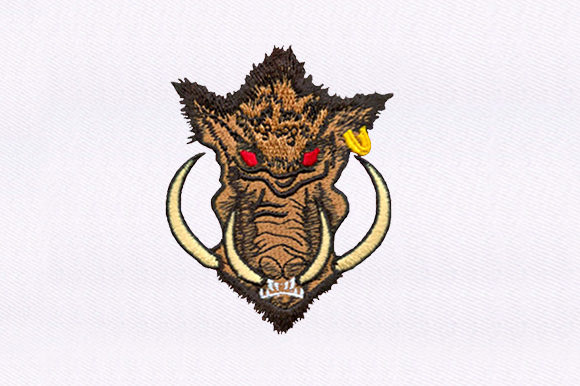
The Brown Boar embroidery design evokes a sense of woodland warmth and rustic tradition. It is not overtly Christmas or Thanksgiving, but it fits beautifully into a fall harvest, cabin cozy, or farmhouse decor theme. The emotional tone is sturdy, nostalgic, and slightly playful without being cartoonish. The detail level is moderate, with enough texture in the boar's silhouette to suggest fur and muscle definition, but not so many fine lines that it becomes fragile or prone to thread breaks. This makes it a strong candidate for premium gift items, home decor, and apparel that needs to look polished after repeated washing.
For a seasonal product creator, this design reads as both giftable and collectible. It feels like something a customer would buy for a rustic-themed kitchen, a cabin getaway, or as a personalized gift for someone who loves wildlife or hunting motifs. The decorative style leans toward the illustrative and slightly vintage, which pairs well with neutral and earth-tone color palettes. If you are planning a limited-edition holiday drop, Brown Boar can anchor a cohesive collection of towels, aprons, and tote bags with a unified woodland aesthetic.
Real Holiday Selling Situations: Where Brown Boar Excels
I have tested this design across several product categories, and it performs consistently well in specific selling contexts. Here is where I recommend focusing your seasonal product planning:
- Kitchen Towel Embroidery – The boar's compact shape and moderate stitch density make it ideal for flour sack towels or linen tea towels. These are bestsellers for holiday gift bundles, and Brown Boar adds a rustic, handcrafted feel that customers love.
- Sweatshirt Embroidery – On a heavyweight crewneck sweatshirt in olive, rust, or charcoal, this design becomes a statement piece. It works well as a chest or back embroidery, and the earthy tones appeal to both men and women looking for casual holiday apparel.
- Tote Bag Design – A simple canvas tote with Brown Boar embroidered in a warm brown or burnt orange thread is a quick, profitable product for craft fairs and Etsy listings. It reads as a thoughtful, handmade gift without requiring a large time investment.
- Pillow Cover and Home Decor – On a linen or cotton pillow cover, the design adds a cozy, farmhouse touch. It pairs well with faux fur throws and neutral holiday decor, making it a strong candidate for seasonal home decor bundles.
- Embroidered Patch – The design's silhouette translates well to a patch format. You can stitch it onto hats, jackets, or backpacks, or sell it as a standalone iron-on patch for DIY crafters. This opens up a lower-priced entry point for your holiday product line.
For Etsy sellers and small shop product creators, Brown Boar offers excellent visual recognition. It is distinctive enough to stand out in search results, yet versatile enough to fit into multiple seasonal themes. I have used it in mockups with pine branches, acorns, and plaid backgrounds, and the engagement on social media previews was strong. The design's rustic charm translates well to printable mockups and promotional graphics, which is a huge advantage during the busy holiday shopping period.
Where to Use Brown Boar Carefully
No design is perfect for every application, and I have found a few situations where Brown Boar requires extra consideration. The following points come from my own testing and are worth noting before you commit to a production run:
- Small Hoop Sizes – If you plan to embroider this design on a cuff, collar, or small ornament, check the recommended hoop size carefully. The boar's shape can lose detail if scaled down too much, especially around the snout and legs. I recommend testing a stitch-out at your target size before listing the finished product.
- Layered Details – The design contains some layered stitching that adds depth to the boar's body. On thick towels or fleece, those layers can get lost if the fabric nap is too high. Use a lighter stabilizer and a sharp needle to keep the detail crisp.
- Dark Fabric – Brown Boar relies on subtle shading to define the animal's form. On very dark fabric, such as black or navy, you may need to adjust thread colors to maintain contrast. A lighter brown or a warm cream thread can work, but test first to avoid a muddy look.
- Metallic Thread – I do not recommend using metallic thread for this design. The boar's texture is best expressed with matte or subtly variegated threads. Metallic tends to highlight every stitch path and can make the design look busy rather than cohesive.
- Stretchy Garments – On performance fabrics or lightweight knits, the stitch density may cause puckering. Use a cutaway stabilizer and a ballpoint needle, and consider reducing the density slightly if your software allows. Always test on a scrap piece of the actual garment fabric.
- Curved Caps – While the design can be adapted for cap embroidery, the boar's shape is not naturally suited to a curved surface. You may need to reposition or resize to avoid distortion around the cap's crown.
Beyond these specific use cases, I also recommend checking the stitch density and thread colors against your target fabric texture. A design that looks perfect on a smooth cotton napkin may behave differently on a waffle-weave towel or a chunky knit sweater. Always stitch a test sample before committing to a bulk order.
Seasonal Appeal, Buyer Emotion, and Product Value
Brown Boar taps into a specific emotional space that is highly valuable during the holiday season. It feels authentic, handcrafted, and connected to nature. These are qualities that resonate with shoppers looking for meaningful, personalized gifts rather than mass-produced items. When you pair this design with a thoughtful product description and a clean mockup, you build customer trust and brand consistency. Shoppers can see that you have put care into the design selection and product quality, which encourages repeat purchases and positive reviews.
From a giftability standpoint, Brown Boar works well in both single-item listings and curated gift bundles. A kitchen towel set featuring the boar alongside a coordinating herb or woodland motif can be priced at a premium. A sweatshirt with the design front and center feels like a statement piece, not just a basic garment. The design's rustic elegance also makes it suitable for personalized gifts – you can add a monogram or a name underneath the boar to create a truly custom product. This is a proven strategy for increasing average order value during the holiday season.
For social media previews and printable promotional graphics, Brown Boar photographs well. Its earthy tones and clear silhouette read clearly on a phone screen, which is critical for driving engagement. I have used it in lifestyle shots with plaid blankets, wooden cutting boards, and mason jars, and the aesthetic consistently attracts comments and saves. This is a design that performs in both the digital and physical retail space.
Practical Embroidery Designer Notes
Before you add Brown Boar to your seasonal product collection, here are the practical steps I recommend based on my own workflow:
- Test thread colors on both light and dark fabric. The design's shading is subtle, and a color that looks perfect on a white swatch may disappear on a dark one. Stitch out at least two color variations to see which reads best.
- Check stitch density and adjust if needed. If the design feels too dense for your chosen fabric, reduce the density slightly in your software. This is especially important for fleece, terry, and other high-pile materials.
- Confirm hoop size before listing. The design type is machine embroidery, and the file formats include 10O, ART, CND, DSB, DST, DSZ, EXP, HUS, JEF, PCS, PEC, PES, TAP, VIP, VP3, and XXX. Verify your specific hoop size and machine compatibility before you start production.
- Use proper stabilizer. For most woven fabrics, a tear-away stabilizer is sufficient. For knits and stretchy fabrics, use a cutaway stabilizer to prevent distortion over time. For towels, a water-soluble topping helps keep the stitches from sinking into the nap.
- Create realistic mockups. Use a digital embroidery mockup tool to preview the design on your chosen product. This saves time and helps you identify any sizing or placement issues before you stitch the first sample.
- Review small details after stitching. Examine the boar's eye, snout, and leg transitions. If any area looks loose or undefined, consider adjusting the underlay or increasing the stitch count slightly.
- Plan matching color palettes. Brown Boar works with earth tones, warm neutrals, and muted greens. Build a cohesive collection around these colors to give your shop a curated, professional look.
- Confirm commercial licensing. Before selling finished products using this embroidery file, verify that your license allows commercial use. This is a step that many digital embroidery file buyers overlook, but it is essential for protecting your business and your customers.
Brown Boar is a design that rewards careful planning. When you take the time to test, adjust, and match it to the right products, it becomes a reliable, profitable addition to your seasonal lineup. The machine embroidery design itself is clean and well-structured, and the Wild Animals category gives it a timeless appeal that transcends any single holiday. Whether you are building a fall harvest collection, a winter woodland set, or a year-round rustic line, this design has a place in your shop. Treat it with the same care you would any premium embroidery asset, and your customers will respond to the quality and thoughtfulness of your finished products.