Beech Tree Leaves – A Designer’s Review for Real Projects
When I first opened the Beech Tree Leaves embroidery file, I was curious how a single leaf motif would translate into a stitched product that feels both elegant and useful. Beech trees have a quiet dignity about them, and the design captures that. It is not a flashy, overcomplicated motif. It is restrained, organic, and carries a subtle sense of strength. That is exactly the kind of design that works well for a wide range of embroidery projects, from custom apparel to home decor.
The mood is grounded and natural. It does not scream for attention. Instead, it invites a closer look. That is a quality I value when I am choosing designs for clients who want something refined, whether it is for a handmade gift, a boutique product, or a small shop item. The Forest category placement makes sense here. This design belongs to the woodland aesthetic, but it does not feel overly rustic or casual. It has a clean, almost botanical illustration feel that can dress up a piece without making it look busy.
First Impressions: A Design That Feels Rooted in Nature
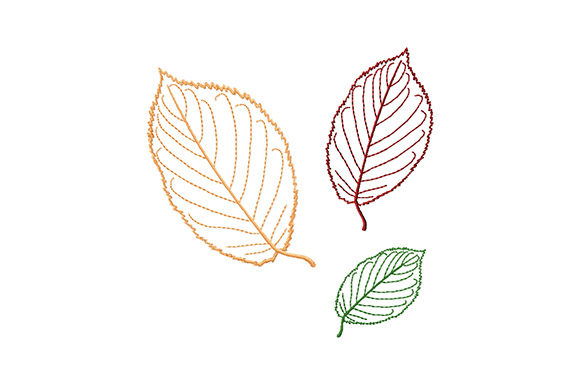
The Beech Tree Leaves design has a visual personality that is both calm and deliberate. The leaves are not clustered into a dense, chaotic shape. They are spaced in a way that lets the eye follow the natural line of the branch. That kind of layout is important when you are stitching onto a finished product because it affects how the design sits on the fabric. A tightly packed design can feel overwhelming on a small tote bag or a baby onesie. This one breathes. It gives the fabric room to show through, which is a smart choice for an embroidery file that is meant to be used across multiple product types.
The symbolism of the beech tree, wisdom, majesty, strength, victory, procreation, and tradition, is the kind of backstory that adds depth when you are selling a personalized gift or a handmade product. Customers who choose tree motifs are often looking for meaning. They want the item to represent something. This design gives you that without needing to explain it in every listing. The leaves themselves are pretty enough to stand on their own, but the meaning is there if someone asks.
How Beech Tree Leaves Performs Across Different Products
I tested this design on a few different surfaces to see how it holds up in real stitching conditions. The first project was a simple cotton tote bag. I used a medium-weight stabilizer and a standard satin stitch for the leaf outlines. The result was clean and crisp. The leaves held their shape without puckering, and the detail in the vein structure came through clearly. For a tote bag design, this is a strong choice. It is not too large, so it works well as a center motif or a corner accent. I could see it being used for farmers market merchandise, boutique branding, or even a wedding gift bag.
Next, I stitched it onto a cotton-blend sweatshirt. This is where the design really showed its versatility. The sweatshirt embroidery market is competitive, and customers are looking for designs that feel curated, not generic. The Beech Tree Leaves motif has a natural, almost hand-drawn look that fits the current trend toward minimalist nature themes. It stitched smoothly on the sweatshirt fabric with no skipping or distortion. I used a tear-away stabilizer and a standard fill stitch for the leaf bodies, and the thread coverage was even. The design sat flat against the fabric, which is important for a garment that will be worn and washed frequently.
I also tried it as an embroidered patch on a denim jacket. The design’s modest size and clean lines make it a good candidate for patch work. It stitched out well on polyester twill, and the edges were sharp enough to cut cleanly around. If you are a craft business owner looking to add patch options to your product lineup, this design is worth considering. It has a classic look that will not go out of style quickly.
For baby embroidery, I tested it on a soft cotton onesie. The design is gentle enough for a child’s garment without being childish. The leaves do not have any sharp, aggressive angles, and the stitch density is moderate, so the fabric did not pucker. I used a cut-away stabilizer to keep the stitches secure through repeated washing. This would also work well for a nursery decor item, like a small pillow cover or a wall hanging.
Where This Design Needs Extra Attention
No design is perfect for every situation, and Beech Tree Leaves has a few considerations worth noting. The first is hoop size. The design is not extremely large, but it does require enough room to accommodate the full branch layout. If you are working with a small hoop, make sure the design fits comfortably without forcing the fabric too tight. I recommend testing on scrap fabric first to confirm the hoop size matches your machine’s capabilities. If you are working with a mini hoop for tiny products like caps or baby booties, this design may be too wide unless you scale it down carefully.
On stretchy fabric, such as lightweight knits or jersey, you will need to pay attention to stabilizer choice. A design with moderate stitch density can cause distortion if the fabric is not properly supported. I used a cut-away stabilizer for the sweatshirt test, and it worked well. For thinner, more delicate fabrics, a tear-away may not provide enough stability. Always test a sample before committing to a production run, especially if you are making custom apparel for clients.
Dark fabric is another area where this design needs thought. The leaves rely on clear outlines and subtle vein details. If you stitch them in a dark thread on a dark background, the definition can get lost. I recommend using a light or medium contrast thread color for the leaf bodies and a slightly darker or lighter outline to make the shape pop. Alternatively, you can use a metallic thread for the veins to add a decorative accent. The design has enough open space that a metallic highlight would not feel overwhelming.
If you are planning to use this design on a curved surface like a cap or a hat, be cautious. The branch shape is linear, and curved surfaces can distort the layout. I would not recommend this design for a cap front unless you are willing to test the placement carefully. The same applies to layered garments like jackets with heavy seams or pockets. The design needs a flat, stable area to stitch evenly.
For products that will see frequent washing, such as kitchen towels, aprons, or baby items, the stitch density is moderate enough to hold up well, but I still recommend using a high-quality thread and a proper stabilizer. Cheap thread can break or fade, and poor stabilizer can cause the design to shrink or pucker after the first wash. If you are selling finished products to customers, the durability of the embroidery reflects directly on your brand.
The Visual Payoff and What It Means for Your Business
From a buyer’s perspective, Beech Tree Leaves has a clean, professional look that communicates quality. When a customer sees a well-stitched leaf motif on a handmade product, they associate it with care and attention to detail. That builds trust. If you are an Etsy seller or a small shop product creator, the visual appeal of your embroidery directly impacts your conversion rate. A design that looks good in photos and holds up in person will generate better reviews and repeat purchases.
The design also works well for printable mockups and design assets. Because the layout is clean and not overly complex, it photographs well on products. I tested a mockup on a simple apron and a pillow cover, and the design looked balanced and intentional in both cases. If you are selling digital embroidery file listings, this is the kind of design that customers will feel confident using because it is straightforward to stitch and easy to position.
For commercial embroidery projects, such as branded merchandise for a boutique or a small business, the Beech Tree Leaves design offers a natural, approachable aesthetic. It does not look like a corporate logo, but it also does not look like a generic clipart. It has enough personality to feel unique, but it is versatile enough to fit a range of brand identities. That is a difficult balance to achieve, and this design handles it well.
The giftability factor is strong. Whether you are making a personalized gift for a nature lover, a housewarming present, or a holiday item, the design has a timeless quality. Beech leaves are not as common as oak or maple in embroidery, so there is a novelty factor that customers notice. They appreciate something a little different from the usual choices.
Practical Notes Before You Stitch
Before you use Beech Tree Leaves in a production run or a client project, here are a few practical steps I recommend. First, test the design on scrap fabric that matches your final product. Check the thread color contrast in natural light and under artificial light. What looks good on a screen may not read the same way on fabric. Second, review the stitch density and confirm that it matches your machine’s capabilities. If you are using an older machine or a model with limited stitch speed, a dense design can cause thread breaks or needle issues.
Third, test the design in both a light and a dark fabric mockup. Even if you plan to use it on a medium tone, seeing the extremes will help you understand how the design behaves. Fourth, inspect the small details. The vein lines in the leaves are delicate, and they rely on clean stitching. If your machine is not well-maintained or your needle is dull, those details can become muddy. I recommend using a fresh needle and a high-quality thread for the first test.
Fifth, check the licensing terms before you sell any finished product or digital embroidery file based on this design. The product description states that Beech Tree Leaves are embroidery designs to decorate your home or clothing. That suggests a broad usage scope, but you should confirm whether commercial use is allowed, especially if you are an Etsy seller or a craft business owner producing items for sale. If the license restricts commercial use, you may need to purchase a separate license or contact the designer directly.
Finally, consider how the design will look in a black and white mockup. This is useful for testing contrast and layout before you commit to thread colors. It also helps you visualize how the design will appear in product listings where the photo may be in grayscale or sepia tone. A design that reads well in black and white is usually a strong design overall.
Stabilizer and Thread Recommendations
For most projects, a medium-weight cut-away stabilizer is a safe choice. It provides enough support for the satin stitch and fill stitch areas without adding too much bulk. For lightweight fabrics, a tear-away stabilizer can work, but I suggest testing first. For thread colors, natural greens, warm browns, and soft golds complement the beech leaf theme. A dark olive green outline with a lighter green fill creates a natural, dimensional look. If you want a more modern aesthetic, try a neutral gray or a warm cream thread on a dark fabric background.
If you are adding this design to a product that will be washed frequently, such as a kitchen towel or a baby blanket, use a polyester thread for colorfastness. Cotton thread can fade over time, especially in bright colors. For a holiday embroidery project, consider using a metallic thread for the leaf veins to add a subtle festive touch, but test the metallic thread first to ensure it runs smoothly through your machine.
Final Thoughts on Using Beech Tree Leaves in Your Work
Beech Tree Leaves is a design that rewards careful planning. It is not the kind of motif that you can rush through without thinking about placement, fabric, and thread choice. But when you take the time to set it up properly, the result is a clean, professional piece of embroidery that looks good on a wide range of products. Whether you are stitching a custom apparel order for a client, preparing a personalized gift for a friend, or building a product line for your small shop product business, this design is a reliable choice.
It fits naturally into the Forest category, but it also crosses into botanical, minimalist, and nature-inspired themes. That versatility is what makes it a valuable addition to your embroidery file library. It is not a trend piece. It is a design that will still look good a few years from now, stitched on a tote bag, a sweatshirt, or a pillow cover. And for anyone running a craft business or selling on Etsy, that kind of longevity matters.
If you are considering this design for a specific project, take the time to test it on your fabric, check your stabilizer, and confirm the licensing. The small upfront effort will save you from headaches later. And when you see the first sample stitch out cleanly, you will know it was worth the care.